Electric Golf Cart Alternatives: Other Ways to Get the Same Result
Used New Car is reader-supported: some links on this page are affiliate links, and as an Amazon Associate Used New Car earns from qualifying purchases at no extra cost to you. Learn more.
Electric golf carts provide a method for transporting people and cargo across large outdoor areas like golf courses or private estates. A buyer does not need to purchase a new electric golf cart to achieve this result if the intended use involves low-frequency transport or a specific geographic limitation. You should assess whether your primary requirement is frequent, independent mobility or a one-time solution for a specific season or area.
How do standard gas golf carts compare to electric golf carts?
Standard gas golf carts use internal combustion engines to provide power for transport across large grounds. These vehicles typically offer a higher power-to-weight ratio than battery-powered options, which allows for faster acceleration and the ability to maintain higher speeds on steep inclines without the risk of voltage sag. Voltage sag occurs when an underpowered battery causes the motor to stall or lose torque under heavy loads, a failure mode that can occur in electric models if the motor power is not sufficient for the weight being hauled.
If you need a vehicle for heavy lifting, see our guide on selecting the best golf shuttle for transport.
Gas golf carts provide higher energy density for long distance travel
The cost of a gas golf cart is often lower in terms of the initial purchase price compared to a new electric model with a high-capacity battery. However, the ongoing costs include fuel, oil changes, and spark plug replacements. Gas models are a viable alternative when the distance traveled per use exceeds the range of a standard battery configuration, such as the 36-hole battery configuration which is the standard capacity for 8-hour continuous operation without mid-day charging. If you require a vehicle that can travel long distances without the need for a charging station, a gas engine provides the necessary energy density.
Noise and maintenance requirements make gas models less ideal for quiet areas
Gas golf carts stop being the practical choice when the noise and exhaust emissions of an internal combustion engine conflict with the environment of a quiet residential area or a high-end club. They also require more frequent mechanical maintenance than electric systems. For a buyer who prioritizes a quiet ride and low maintenance over high-speed hauling, the electric model remains the preferred choice.
Off-roading requires specific builds, so view our comparison of the best electric golf cart for all terrain.
Where these choices show up in our reviews
3 options shown here, $990 to $8199, each with its own full review behind its name.
Families often need extra space, which is why we help you find the best 4 seater electric golf cart.


Is buying a used golf cart a viable alternative?
Buying a used golf cart provides a way to acquire a functional vehicle at a significantly lower entry price than a new model. A used vehicle allows a buyer to access higher-end features, such as heavy-duty chassis durability or high-end component integration similar to the Club Car OnYX benchmark, for a fraction of the original cost. This route is often chosen by those who need a vehicle for a short duration or for a secondary property where a new purchase is not financially justifiable.
Degraded batteries and electrical corrosion pose risks for used golf carts
The primary risk of a used golf cart is the unknown state of the electrical system and the physical structure. Batteries have a finite cycle life, and a used cart may arrive with a degraded power source that limits the distance of travel on a course. Buyers should specifically check for corrosion of terminals, as improperly maintained electrical connections lead to high resistance and permanent battery damage. If the battery is near the end of its life, the cost of replacement can quickly narrow the price gap between a used and a new vehicle.
For automated operation, explore how the best electric golf cart with remote control performs.
High refurbishment costs make used golf carts less viable than new units
Used golf carts are a strong alternative when the buyer can inspect the frame for structural integrity and confirm the battery’s health. They stop making sense when the cost of refurbishing the battery or repairing the suspension—specifically if the shocks are causing suspension bottoming—exceeds 50% of the price of a new, warrantied unit. For a buyer who wants a predictable maintenance schedule and a guaranteed battery lifespan, a new purchase is the safer investment.
Understanding your options is easier when you view the different types of electric golf carts explained.
What does renting a golf cart involve?
Renting a golf cart provides a temporary solution for transportation without the long-term commitment of ownership or maintenance. This option is typically used by visitors to a course or by people who need a vehicle for a single weekend or a specific event. The rental fee covers the usage of the vehicle, the charging of the batteries, and the maintenance of the fleet by the provider.
Renting provides a cost-effective solution for infrequent golf cart use
Renting is the most cost-effective route for infrequent use, as the buyer avoids the thousands of dollars required for a purchase and the ongoing costs of storage and upkeep. It removes the need to worry about battery storage or charging infrastructure at a private residence. However, the rental period is strictly limited, and the vehicle is often a standard model with basic features.
Beginners can start by learning how an electric golf cart works and what it is.
Frequent usage makes owning a golf cart cheaper than renting one
Renting stops making sense when the frequency of use reaches a point where the cumulative rental fees exceed the monthly cost of owning a vehicle. If you plan to use a cart more than twice a month, the overhead of a rental agreement usually outweighs the convenience. This option is best suited for tourists or those who only require a vehicle for a few hours on a specific day.
Efficiency depends on your needs, so see the top speed for electric golf carts you actually need.
Can walking or using a bicycle replace an electric golf cart?
Walking or using a bicycle provides a method for moving across a property that requires zero electrical infrastructure or vehicle maintenance. For a small private property or a compact golf course, these methods provide the most direct way to reach a destination while offering a physical workout. A bicycle can carry a passenger or small amount of cargo, depending on the frame type and weight limits.
Walking or cycling offers the lowest cost for short distance travel
The cost of this alternative is the lowest possible, involving only the initial purchase of a bicycle or the physical effort of walking. This route is ideal for situations where the distance to be traveled is short enough that a vehicle is unnecessary. For example, if the destination is within a 10-minute walk or a 3-minute bike ride, the complexity of a golf cart is unnecessary.
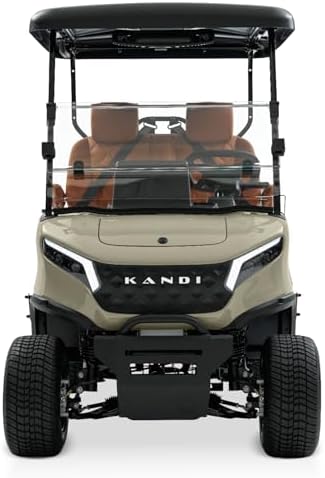
Compact designs are great for storage; see our full Kandi Mini Golf Cart review.
Steep terrain and heavy cargo requirements necessitate a powered golf cart
Walking or cycling stops making sense when the terrain involves significant inclines or when the need to transport multiple people or heavy cargo becomes a priority. If you need to move four passengers up a hill, a bicycle is not a viable substitute. For large-scale property management or frequent transport of heavy supplies, the efficiency of a powered vehicle is required.
For specialized remote operation, view our full Zip Navigator spec breakdown.
Comparison of alternatives to buying an electric golf cart
| Alternative | Who it suits | Main advantage | Where it breaks down |
|---|---|---|---|
| Standard gas golf carts | Users needing high power or long range | High power-to-weight ratio and speed | Noise, emissions, and high maintenance |
| Used golf carts | Budget-conscious buyers for short-term use | Lower initial purchase price | Unknown battery health and wear |
| Renting a golf cart | Tourists or occasional users | No ownership or maintenance costs | High cost for frequent use |
| Walking or bicycle | Users on small properties or for exercise | Zero infrastructure or maintenance | Limited cargo and passenger capacity |
When is buying an electric golf cart the right choice?
Buying an electric golf cart is the correct decision when you require frequent, independent mobility on a private property or a private course. It is the right choice when you have a dedicated space for charging and require a vehicle that can be used multiple times per week without the noise of a gas engine. If your requirements include transporting multiple passengers regularly or hauling heavy loads over varied terrain, the investment in a new unit provides the reliability and safety of a modern chassis and a warrantied battery system. Before ordering, confirm the specific rules for your location regarding the operation of battery-powered carts on public or private property.
More battery powered cart explainers and comparisons
- Which Electric Golf Cart Is Best for Neighborhood Use?
- The Electric Golf Carts That Help You Get Around a Large Retirement Community
- Getting Around a Large Private Estate With an Electric Golf Cart
- Choosing the Best Electric Golf Cart for All Terrain
- The Electric Golf Carts That Work Best for Small Spaces
- Which 4 Seater Electric Golf Cart Is Best?