Certifications and Safety Standards for 4 Post Car Lifts
Used New Car is reader-supported: some links on this page are affiliate links, and as an Amazon Associate Used New Car earns from qualifying purchases at no extra cost to you. Learn more.
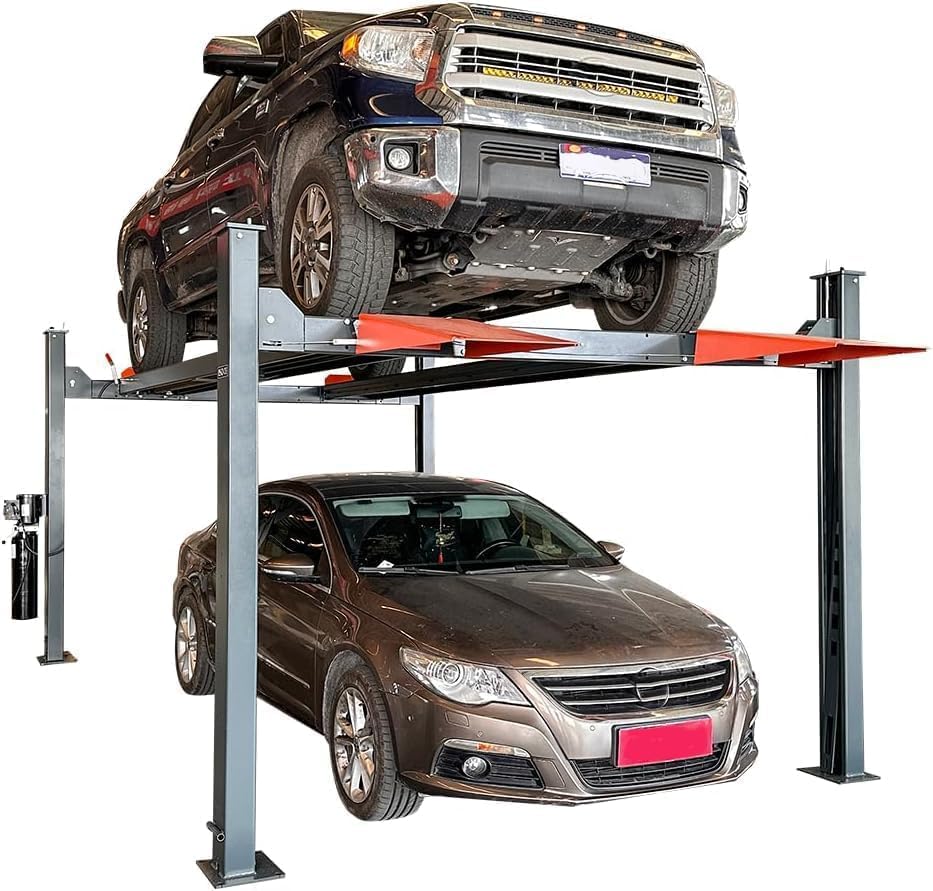
4 post car lift certifications include mandatory safety standards like CE or ANSI, voluntary industry marks that indicate specific manufacturing quality, and decorative stickers that provide no legal or structural guarantee. You need a lift that meets your local jurisdiction’s safety requirements before installing it in a workspace. Measure the total weight of your heaviest vehicle, including fluids and passengers, and confirm it does not exceed the rated capacity of the lift you select.
What does the CE mark mean for a 4 post car lift?
The CE mark is a mandatory conformity marking for products sold within the European Economic Area (EEA), indicating that the 4 post car lift meets essential health, safety, and environmental protection standards. It is issued by the manufacturer after the product undergoes testing to comply with relevant EU directives, such as the Machinery Directive. The mark guarantees that the lift adheres to fundamental safety requirements regarding structural integrity and electrical safety. It does not, however, guarantee a specific performance level, such as the speed of the lift or the exact weight capacity of the motor. It is a declaration of compliance rather than a certificate of excellence.
Before making a final purchase, you should review 4 post car lift warranties to understand your coverage.
Where these choices show up in our reviews
From $3359 to $3899: 3 of the 4 in this category we have reviewed in full.
If a lift isn’t the right fit, explore the alternatives to a 4 post car lift for your project.


What are the ANSI standards for automotive lifts?
ANSI standards, specifically those overseen by the American National Standards Institute, provide a framework for the design, manufacturing, and safety of automotive lifting equipment in the United States. These standards ensure that components like hydraulic cylinders, locking pins, and structural beams meet rigorous engineering requirements. Compliance with ANSI standards ensures that the lift is designed to handle specific load types and environmental conditions. It does not guarantee that a specific brand is the highest quality available, nor does it certify the installation site. A lift might meet ANSI standards while still being under-powered for a specific heavy-duty application if the user selects a model with a lower rated capacity than required.
To choose the right speed for your workflow, learn about 4 post car lift lifting speeds.
Which safety failure modes do these standards address?
Safety standards for 4 post car lifts primarily target structural deflection, synchronization drift, and locking pin shear. Structural deflection occurs when the gauge of the steel beams is insufficient for the weight, causing the lift to bow or warp. Standards like ANSI and CE require specific material thicknesses to prevent this deformation under maximum load. Synchronization drift happens when one side of the lift rises faster than the other, which can cause a vehicle to tilt. Standards mandate the use of rotary drive systems or synchronized hydraulic valves to ensure even movement. Locking pin shear is a failure of the mechanical safety locks that hold the lift in place when not in use. Certification ensures these pins are made from high-tensile steel capable of withstanding the downward force of a vehicle without shearing or bending.
Requirements for hydraulic and power systems
The hydraulic systems within a 4 post car lift must meet specific pressure ratings to prevent hose bursts or cylinder failure. These standards dictate the burst pressure of the hoses and the seal integrity of the cylinders. They also cover the electrical components, such as the motor and control box. For example, if a lift uses a 220V power supply, the electrical components must meet standards that prevent overheating and electrical arcing. These standards do not guarantee that the lift will operate quietly or that the hydraulic fluid will remain clean for a specific number of years; they only ensure the system remains within safe operating pressures and voltages.
Make sure your vehicle fits by reviewing max lifting heights for 4 post car lifts.
How can you verify a certification is authentic?
Verifying that a certification mark is real rather than just a printed sticker on a box involves checking the manufacturer’s documentation and the physical components of the lift. Because a 4 post car lift is a heavy piece of machinery, a simple sticker is insufficient for a reliability-first purchase.
Proper electrical setup is vital, so research the 4 post car lift power supply requirements.
- Request a copy of the Declaration of Conformity (DoC) or the specific test report from the manufacturer.
- Check for a unique serial number on the data plate that corresponds to the certification records.
- Verify that the name of the testing body or the standard (such as ANSI) is correctly cited on the manufacturer’s official website.
- Inspect the physical components for high-quality manufacturing, such as heavy-gauge steel and high-tensile locking pins, which are requirements of the standards.
Which marks are non-negotiable for a 4 post car lift?
The CE and ANSI marks are the non-negotiable requirements for 4 post car lifts because they provide the baseline for structural and electrical safety. If a lift lacks these, it may not meet the legal requirements for a professional workshop or a residential garage. You should treat these as the minimum entry point for any purchase. Other marks, such as those indicating specific shipping standards or decorative “heavy-duty” labels, should be weighed against the actual data provided in the spec breakdown. For instance, a lift might have a 15,000 lb capacity, which is the standard for heavy-duty commercial and high-end residential lifts, but it must still carry the primary safety certifications to be considered a viable option.
You can find more details in our full MutsMover 4-Post Lift analysis.
Local regulations and professional installation
While international standards provide a framework, local building codes and safety regulations may have additional requirements for 4 post car lifts. These may include specific requirements for floor load capacity or the necessity of a professional installation. Before ordering, you should confirm that your garage floor can support the concentrated weight of the lift and the vehicle simultaneously. A professional installer is required to ensure the lift is leveled and anchored correctly, as an unlevel lift can lead to synchronization drift or structural stress that even a certified lift cannot overcome. If you are installing the lift in a commercial space, verify if your local jurisdiction requires a specific permit or a specialized inspection of the lift’s safety mechanisms.
Detailed specifications are available in our full BendPak HD-7W spec breakdown.
Shipping and transport requirements for 4 post car lifts
The standards governing the shipping and transporting of a 4 post car lift ensure that the heavy steel components remain structurally sound during transit. These standards dictate how the lift is crated and braced to prevent the beams from warping or the hydraulic cylinders from being damaged by impacts. Because these lifts are heavy and often ship via freight, the packaging must meet specific industrial shipping standards. This ensures that when the lift arrives at your location, the structural integrity of the steel and the precision of the hydraulic lines remain within the manufacturer’s original specifications.
More 4 post car lift explainers and comparisons
- Which 4 Post Car Lift Is Best for Wide Vehicles?
- Best 4 Post Car Lifts for Residential Parking
- Heavy Duty 4 Post Car Lifts for Trucks Under $4000 Compared
- Choosing the Best 4 Post Car Lift for Limited Space
- The 4 Post Car Lifts That Work Best for Beginners
- Which 4 Post Car Lift Handles a Heavy Truck for Undercarriage Repair?