Top Speed for Electric Golf Carts: How Much You Actually Need
Used New Car is reader-supported: some links on this page are affiliate links, and as an Amazon Associate Used New Car earns from qualifying purchases at no extra cost to you. Learn more.
Top speed for an electric golf cart generally ranges from 9 to 25 MPH depending on the intended use. You should aim for a minimum of 20 MPH if you require the vehicle for neighborhood cruising or navigating varied terrain with passengers.
Recommended Top Speed Values for Electric Golf Carts
| Use Case | Recommended Top Speed | Why this number |
|---|---|---|
| On-course play | 10 to 15 MPH | This range provides sufficient velocity for moving between holes while maintaining control on grass. |
| Neighborhood cruising | At least 20 MPH | A 20 MPH threshold allows for safe integration with local traffic and consistent travel speeds. |
| Heavy hauling/Cargo | 15 to 20 MPH | Lower speeds ensure the motor maintains torque when moving heavy loads across uneven surfaces. |
| Multi-passenger transport | 15 to 20 MPH | This range balances the need for speed with the stability required when carrying 4 passengers. |
Examples from this category, each with its own review here
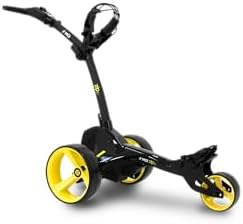
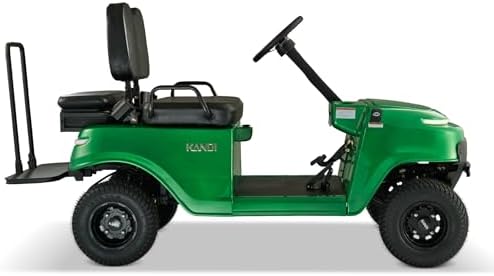
3 options shown here, $1119 to $7999, each with its own full review behind its name.

What happens if you go under or over on Top Speed?
Selecting an electric golf cart with a top speed below your requirements results in a vehicle that feels sluggish during routine tasks. If you need to navigate a neighborhood but choose a cart limited to 12 MPH, you will find the vehicle struggles to keep pace with standard traffic flow. This creates a frustrating experience where the cart feels like a hindrance rather than a tool for mobility.
For a deep dive, see our full MGI Zip Navigator spec breakdown.
High top speeds increase the cost and risk of electric golf carts
Overbuying on top speed introduces unnecessary costs and physical risks. A vehicle capable of 25 MPH requires more robust components, such as higher-rated motors and heavy-duty braking systems, which increases the initial purchase price. Furthermore, higher speeds reduce the stability of the vehicle on soft turf or inclines, potentially leading to a less controlled ride than a lower-speed model designed for steady, consistent movement.
What is the mistake most buyers make with Top Speed?
The most common mistake is prioritizing a high top speed figure over the motor power required to achieve that speed consistently. A high top speed rating on a spec sheet only tells you the maximum velocity the vehicle can reach under ideal conditions, such as a flat, paved surface with no load.
You can see how the MGI Ai Navigator performs in our analysis.
Sufficient motor power maintains electric golf cart speed under heavy loads
You should instead focus on the motor power, which measures the rate of energy conversion into motion. If a cart has a high top speed but low motor power, it may reach that speed on a flat road but stall or lose significant torque when you attempt to climb a hill or carry multiple passengers. For a reliable experience, ensure the motor power is sufficient to maintain your desired speed even when the cart is under load.
How does Top Speed interact with other electric golf cart specs?
Top speed is constrained by the system voltage and the motor power of the electric golf cart. System voltage measures the electrical pressure of the power source; a higher voltage allows the system to push more power to the motor, which is necessary for higher speeds.
This compact option is detailed in our Kandi Mini Golf Cart spec guide.
High motor power enables electric golf carts to haul weight and climb hills
Motor power is the primary driver of how much work the cart can do. Think of motor power like the horsepower in a car: it determines how much weight the cart can move and how quickly it can accelerate. A high top speed is effectively wasted if the motor power is not high enough to overcome the resistance of a steep incline or a heavy trailer. You may find that a cart with a lower top speed but higher motor power provides a much more capable experience for hauling and hills.
Battery capacity limits how often an electric golf cart can reach top speed
Battery capacity also dictates how often you can utilize the top speed. Because moving at higher velocities consumes energy faster, a vehicle used frequently at its maximum speed will see a significant reduction in its estimated distance of travel. If you need to cover long distances at a steady pace, a balanced middle ground between motor power and battery capacity is often more practical than a high-speed peak that drains the battery rapidly.
For remote control details, see our Zip Navigator remote control overview.
High system voltage and motor power support both speed and torque requirements
When requirements conflict, such as needing high speed for cruising but also high torque for hills, you must look for a high system voltage paired with a high motor power rating. These two figures work together to ensure the cart has the necessary electrical pressure and energy conversion to perform both tasks. If you choose a vehicle based only on the top speed figure without verifying these supporting specs, you risk owning a cart that performs well on a driveway but fails during actual use.
It is important to confirm the current rules for your specific location before ordering, as local regulations often dictate the maximum allowed speed for battery powered carts. Some jurisdictions limit the speed of low speed vehicles to ensure safety in residential areas.
Every battery powered cart guide in this category
- The Electric Golf Carts That Help You Get Around a Large Retirement Community
- Getting Around a Large Private Estate With an Electric Golf Cart
- Choosing the Best Electric Golf Cart for All Terrain
- The Electric Golf Carts That Work Best for Small Spaces
- Which 4 Seater Electric Golf Cart Is Best?
- Best Electric Golf Cart with Remote Control